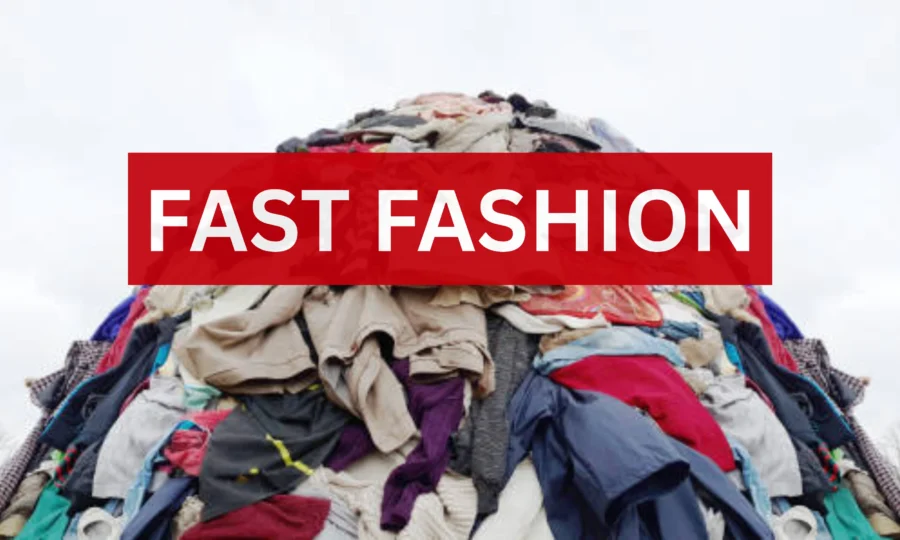
The fast fashion industry has completely changed how we shop. Trendy outfits are cheaper, instantly available online, and new collections hit the shelves almost weekly. But behind those low price tags and viral social media trends lies a massive environmental crisis.
Environmental experts say fast fashion brands are driving a sharp rise in pollution, overflowing landfills, and the dumping of synthetic textiles across the globe. From overproduction to discarded clothing, the industry is churning out waste at an alarming rate.
What exactly is fast fashion?

Fast fashion is all about mass-producing low-cost clothing at lightning speed to keep up with rapidly shifting trends. Brands constantly roll out new lines to keep consumers buying more, more often. Driven by social media influencers, flashy online sales, and fleeting trends, shoppers face constant pressure to buy new outfits. As a result, many clothes are worn only a few times before being discarded.
Why textile waste is skyrocketing
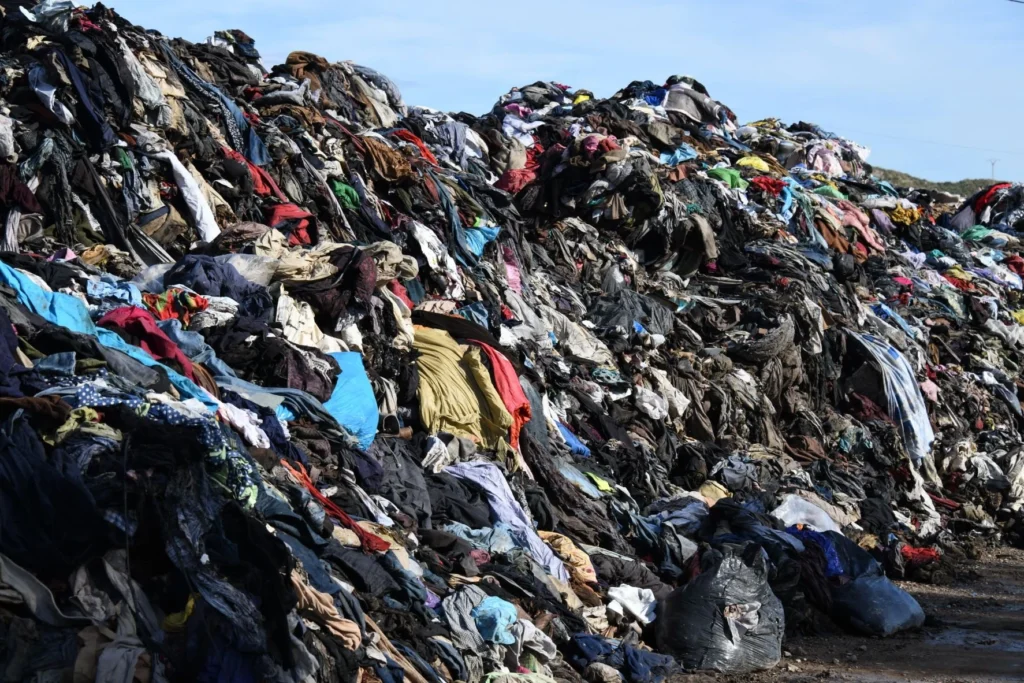
Textile waste is surging because clothing has become disposable rather than durable. Instead of focusing on long-lasting quality, several major fashion players prioritize mass production and hyper-fast trend cycles.
Environmental activists argue that by pushing these relentless trend cycles, fast fashion companies are actively fueling a culture of overconsumption. The main drivers behind this rising tide of waste include:
• Non-stop collection launches that refresh inventory every few weeks.
• Deep discounts that trigger impulsive, unnecessary shopping.
• Cheap synthetic fabrics that break down or wear out quickly.
• Social media pressure that makes people hesitant to repeat outfits.
• Unsold warehouse stock that eventually ends up in dumping grounds.
How brands drive the crisis
Environmental groups and sustainability experts have become increasingly critical of major fast fashion brands like Shein, Zara, H&M, and Temu. These companies encourage excessive consumption through cheap, synthetic clothing and rapid-fire trend cycles. Multiple environmental reports show that by releasing thousands of new designs every month, these brands promote a culture where clothes are treated as single-use items rather than long-term investments.
Synthetic clothes: The hidden plastic threat
A huge portion of modern clothing is made from synthetic materials like polyester, nylon, and acrylic. Because these fabrics are plastic-based, they do not biodegrade easily. Every time synthetic clothes are washed, they shed tiny plastic particles called microplastics into our water systems.
These particles eventually flow into rivers and oceans, ultimately working their way into the food chain. Experts warn that textile pollution is becoming just as dangerous as traditional plastic waste, as these synthetic garments linger in the environment for decades.
Landfills choked with discarded clothes
Every year, mountains of unwanted clothes end up in landfills. Recycling most of these garments is incredibly difficult due to mixed fiber blends, toxic chemical dyes, and low-grade materials. Unsold stock from the fashion brands themselves adds to the pile. In many instances, companies choose to destroy or dump their excess inventory rather than invest in recycling it. These discarded clothes leach harmful chemicals into the soil and surrounding groundwater.
The environmental cost of textile waste
Experts now consider the fashion industry one of the major contributors to global environmental pollution. The damage caused by textile waste reaches far and wide:
- Persistent pollution: Synthetic fabrics sit in the environment for decades without breaking down.
- Toxic contamination: Dangerous chemical dyes pollute vital soil and water sources.
- Air pollution: Burning textile waste releases toxic gases and thick, harmful smoke into the atmosphere.
- Choked landfills: Landfills keep expanding to accommodate the sheer volume of discarded clothing.
- Microplastic surge: Every wash cycle increases microplastic pollution in our waters.
The role of consumers
Many consumers also purchase clothes during online flash sales even when they do not actually need them. Experts believe that changing small shopping habits and avoiding trend-driven purchases can significantly help in reducing textile waste and environmental pollution. While brands bear a massive share of the blame, consumer habits also feed the problem. Driven by social media FOMO (fear of missing out) and flash online sales, many people buy clothes entirely on impulse.
Practical ways to reduce textile waste
- Wear outfits multiple times instead of constantly buying new clothes for trends or social media.
- Repair damaged clothes like loose stitching, torn fabric, or missing buttons instead of discarding them immediately.
- Donate usable clothes responsibly so they can be reused by people who genuinely need them.
- Support second-hand shopping and sustainable fashion brands that focus on long-lasting clothing.
- Avoid impulsive shopping during online sales, discounts, and fast-changing fashion trends.
- Choose durable, high-quality clothing that lasts longer and reduces the need for frequent replacements.
The need for accountable fashion
Fixing the textile waste crisis requires action from both brands and consumers. Fashion companies face growing pressure to shift away from hyper-production and focus on sustainable manufacturing, robust recycling systems, and durable clothing. Fortunately, awareness around textile pollution is growing, with environmental groups pushing for more responsible fashion practices.
Fast fashion makes looking trendy incredibly cheap, but the environmental toll is becoming impossible to ignore. Rising textile waste, microplastic pollution, and expanding landfills are causing long-term damage to the planet. Reducing this crisis will require a collective shift toward mindful shopping and sustainable fashion practices to protect the environment for generations to come.