Kangra: If you have ever met people from Himachal Pradesh and Uttarakhand, chances are you have heard the friendly debate over which state is the real Devbhoomi or “Land of the Gods.” A Himachali will speak about thousands of temples and local deities spread across the mountains, while someone from Uttarakhand will point to the Char Dham pilgrimage and the sacred origin of the Ganga.
The discussion continues across generations and remains an important part of the cultural identity of both states. However, instead of choosing a winner, exploring the spiritual landmarks of these Himalayan regions helps explain why the debate still has no clear answer.
Himachal Pradesh land of different faiths
Himachal Pradesh follows a unique tradition where almost every village worships its own deity. In addition, the state houses important Buddhist monasteries and Sikh pilgrimage sites, making it one of India’s most diverse spiritual destinations.
1. Jwalamukhi Temple, Kangra
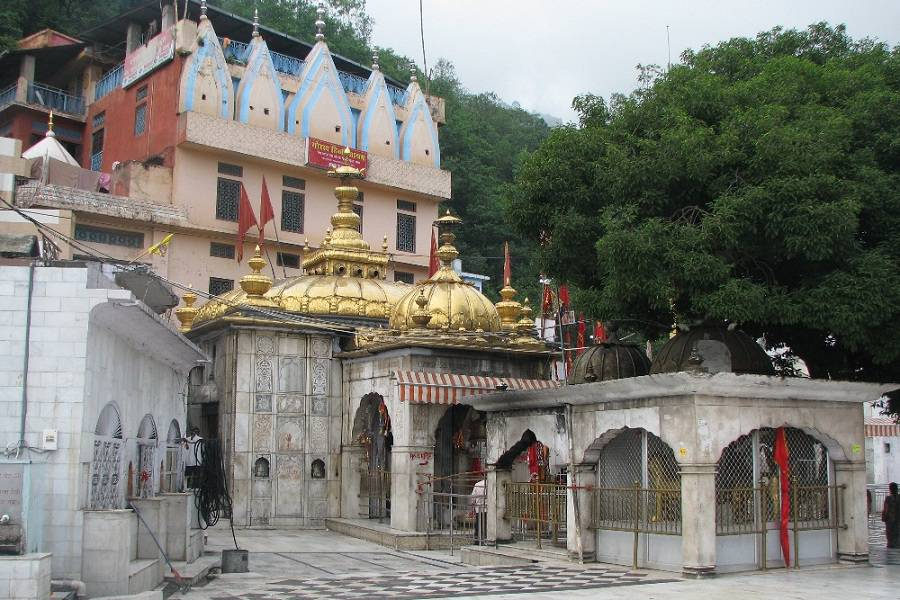
One of India’s most revered Shakti Peeths, famous for the eternal flames that emerge naturally from the earth instead of a traditional idol.
2. Maa Brajeshwari Temple, Kangra
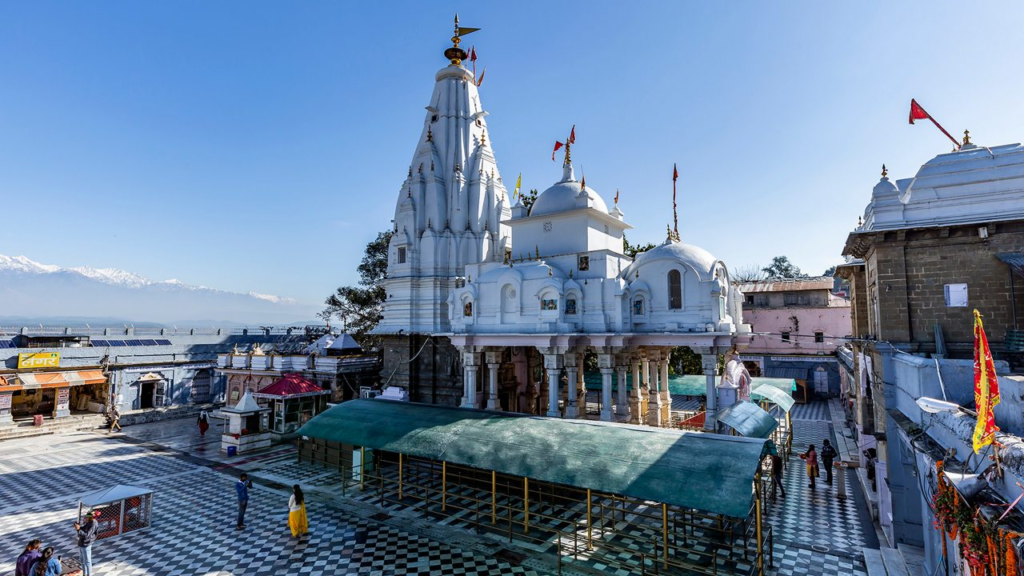
An important Shakti Peeth believed to mark the spot where Goddess Sati’s breast fell, attracting thousands of devotees every year.
3. Maa Baglamukhi Temple, Kangra
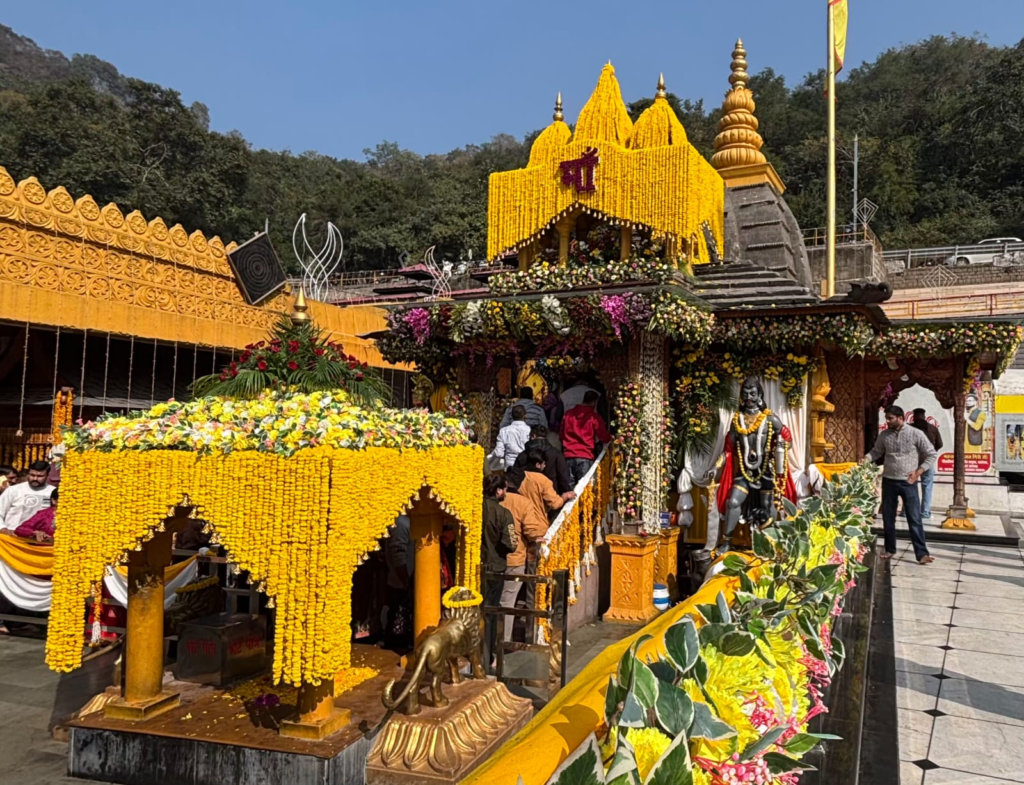
Dedicated to Goddess Baglamukhi, one of the ten Mahavidyas, this temple is known for rituals seeking victory, protection and success.
4. Mata Chintpurni Temple, Una
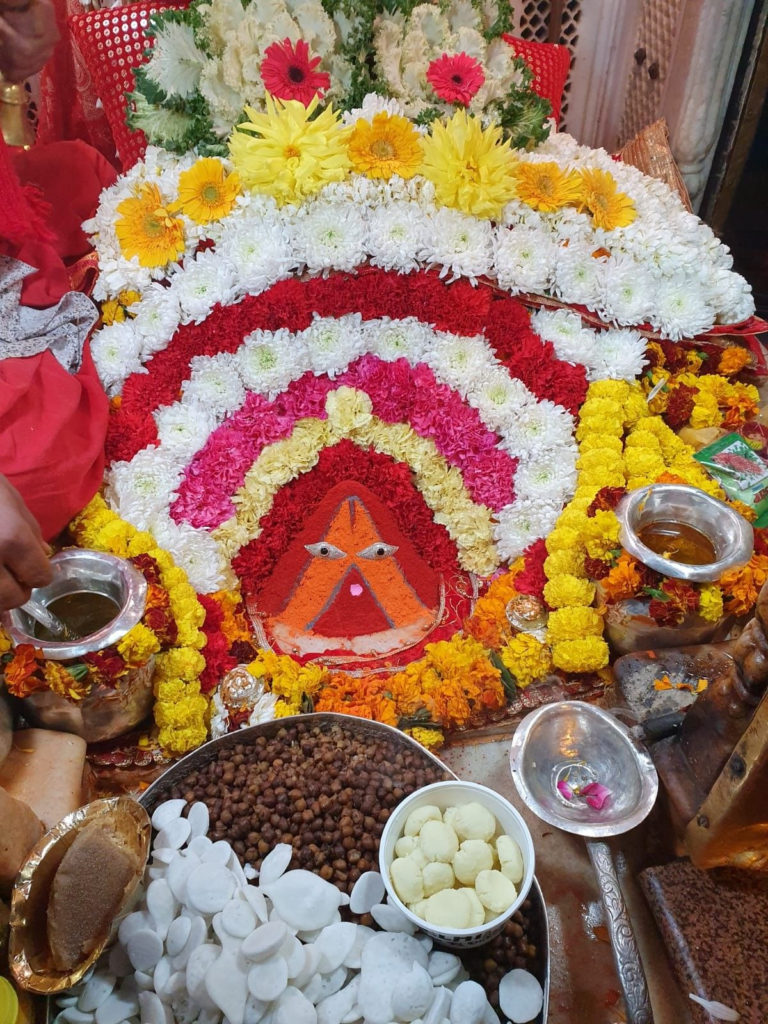
A major pilgrimage centre where devotees pray for relief from worries and the fulfillment of their wishes.
5. Naina Devi Temple, Bilaspur
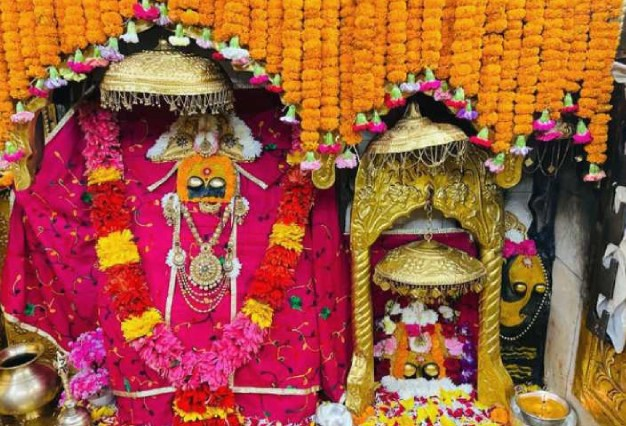
Situated on a hilltop overlooking Gobind Sagar Lake, this temple is associated with the legend of Goddess Sati.
6. Chamunda Devi Temple, Kangra
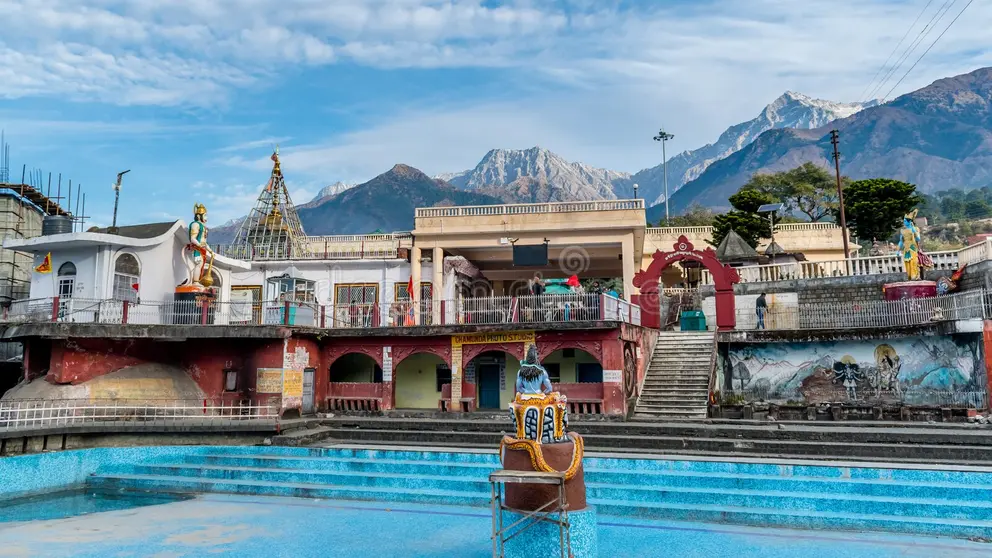
Located on the banks of the Baner River, the temple is one of the most visited shrines dedicated to Goddess Kali.
7. Baijnath Temple, Kangra
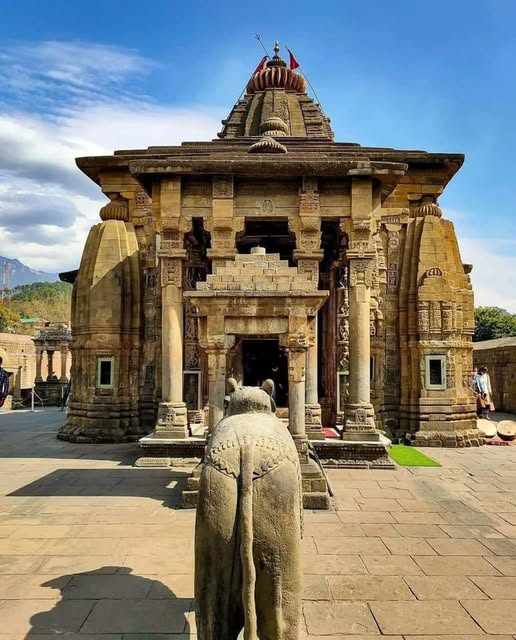
A nearly 1,000-year-old Shiva temple known for its remarkable Nagara-style stone architecture.
8. Bijli Mahadev Temple, Kullu
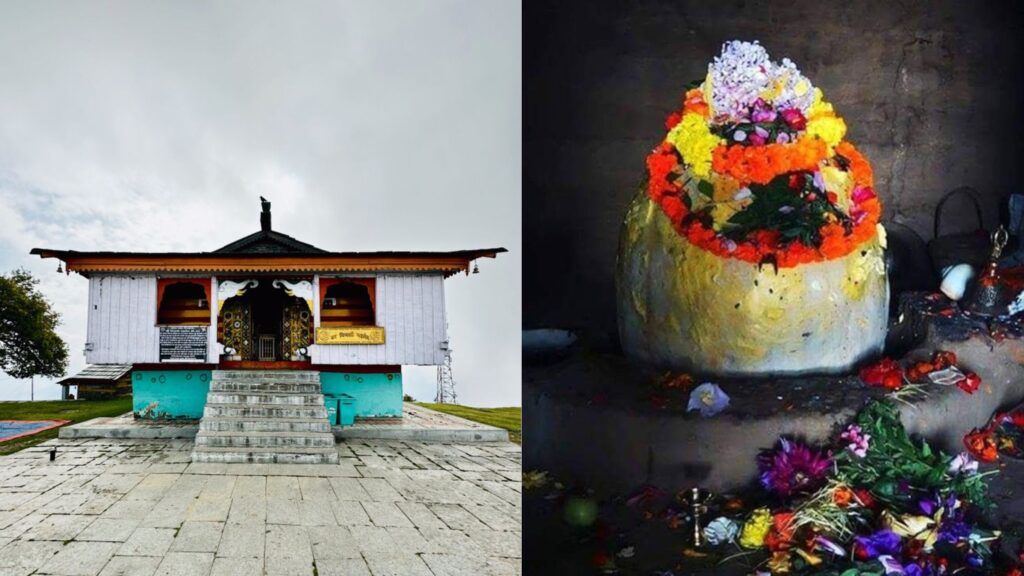
Famous for the belief that lightning periodically strikes the Shiva Lingam, which is restored by temple priests.
9. Hadimba Devi Temple, Manali
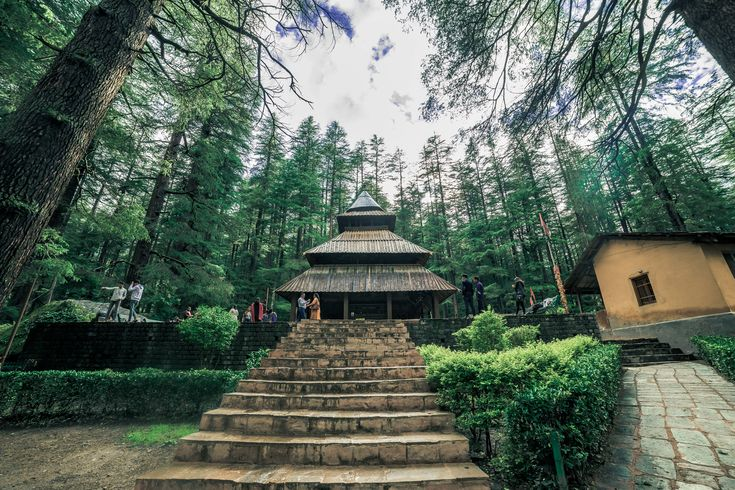
A unique wooden temple dedicated to Hidimba Devi from the Mahabharata, surrounded by cedar forests.
10. Baba Balak Nath Temple, Hamirpur
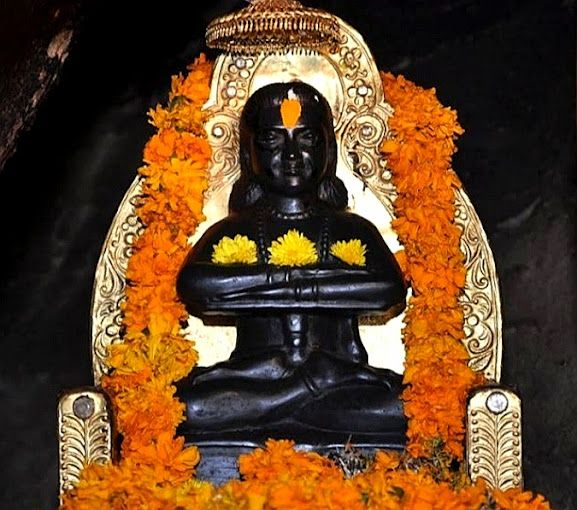
One of North India’s most important Siddha Peeths, attracting devotees throughout the year.
11. Key and Tabo Monasteries, Spiti
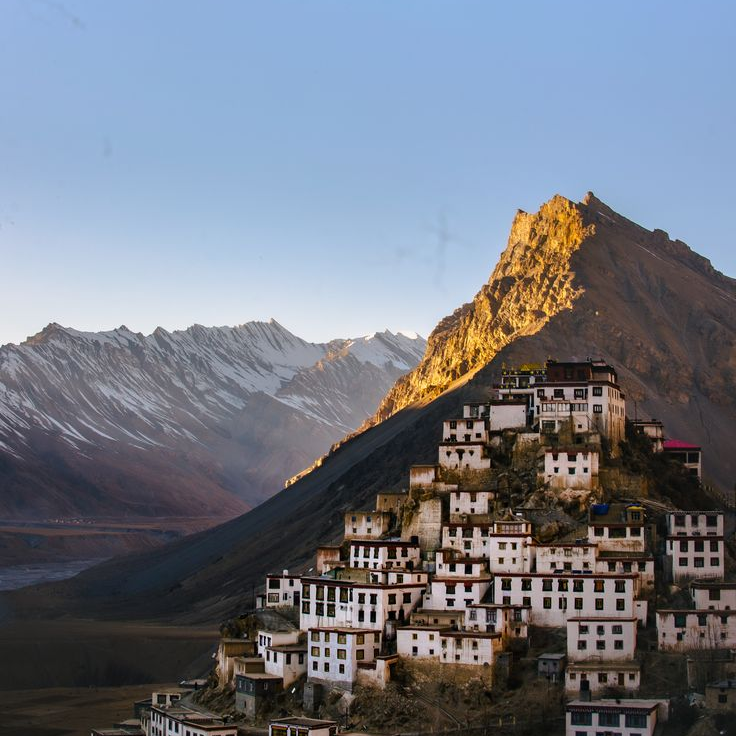
Ancient Buddhist monasteries that preserve Tibetan culture, murals and manuscripts dating back centuries.
12. Manikaran Sahib Gurudwara, Kullu
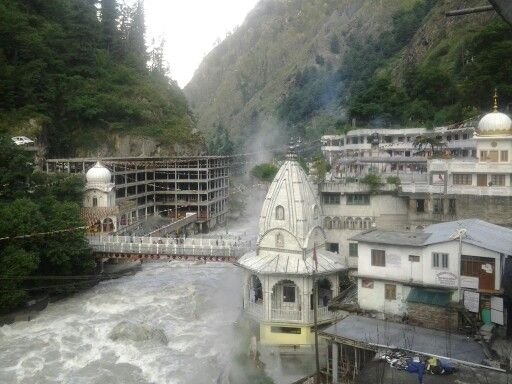
A revered Sikh pilgrimage site in the Parvati Valley, famous for its natural hot springs and langar.
Together, these temples, monasteries and shrines explain why people regard Himachal Pradesh as a land of faith. Moreover, spirituality remains deeply woven into everyday life across the state.
Uttarakhand: Home to India’s most sacred pilgrimage circuits
Uttarakhand brings together rivers, mountains and temples to create one of India’s most important spiritual landscapes. As a result, millions of pilgrims visit the state every year to seek blessings and complete sacred journeys.
1. Char Dham Yatra (Chamoli, Rudraprayag and Uttarkashi districts)
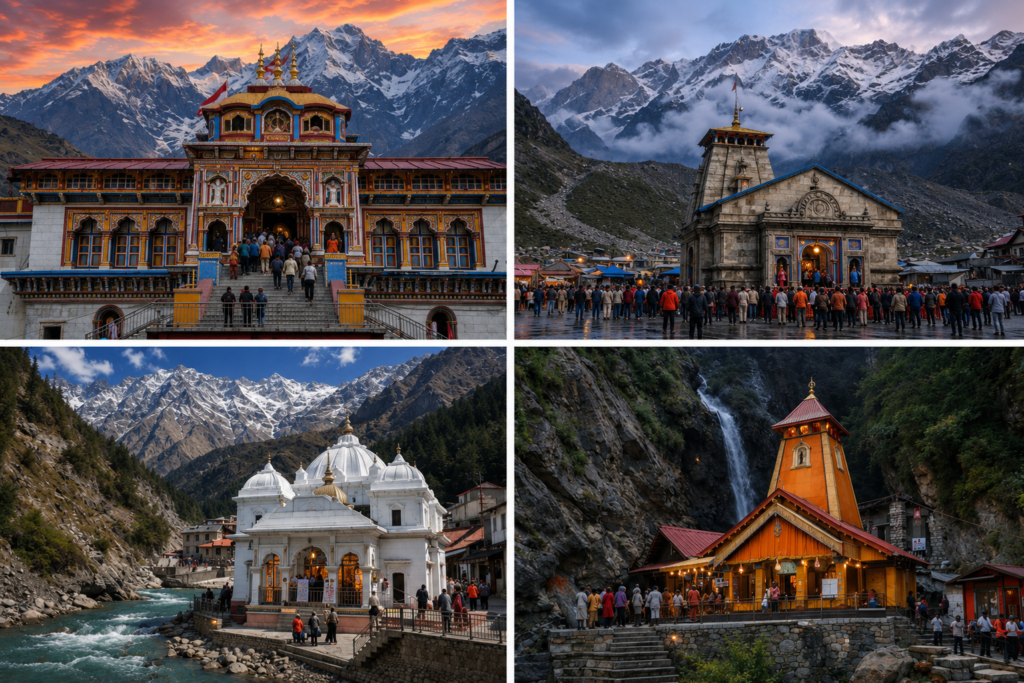
The famous pilgrimage circuit includes Badrinath (Chamoli), Kedarnath (Rudraprayag), Gangotri (Uttarkashi) and Yamunotri (Uttarkashi) and is considered one of the holiest journeys in Hinduism.
2. Badrinath Temple (Chamoli)
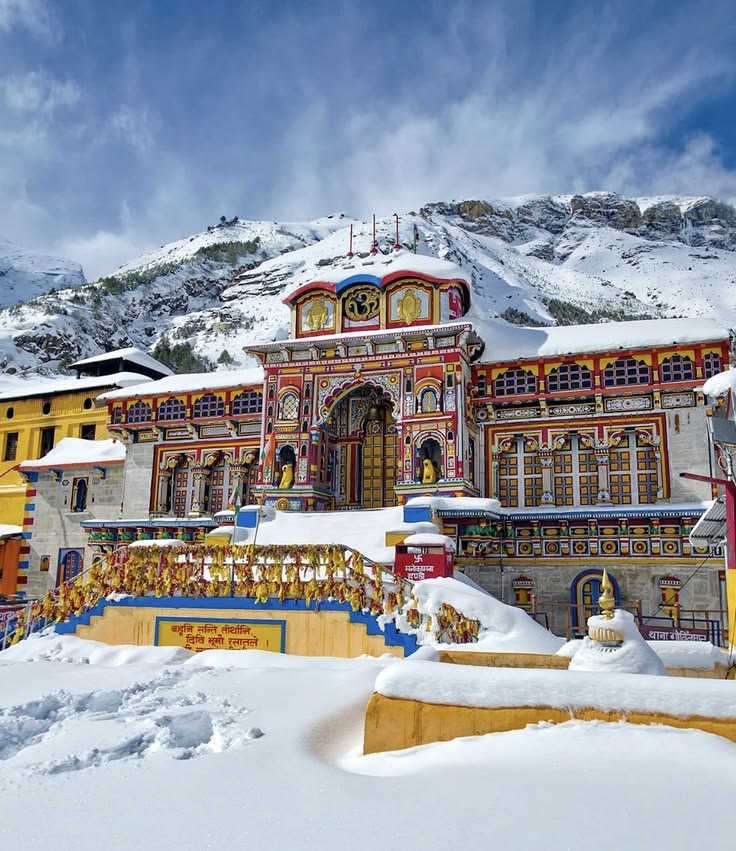
Dedicated to Lord Vishnu, Badrinath is one of the 108 Divya Desams and one of the four Char Dham shrines, located on the banks of the Alaknanda River.
3. Kedarnath Temple (Rudraprayag)
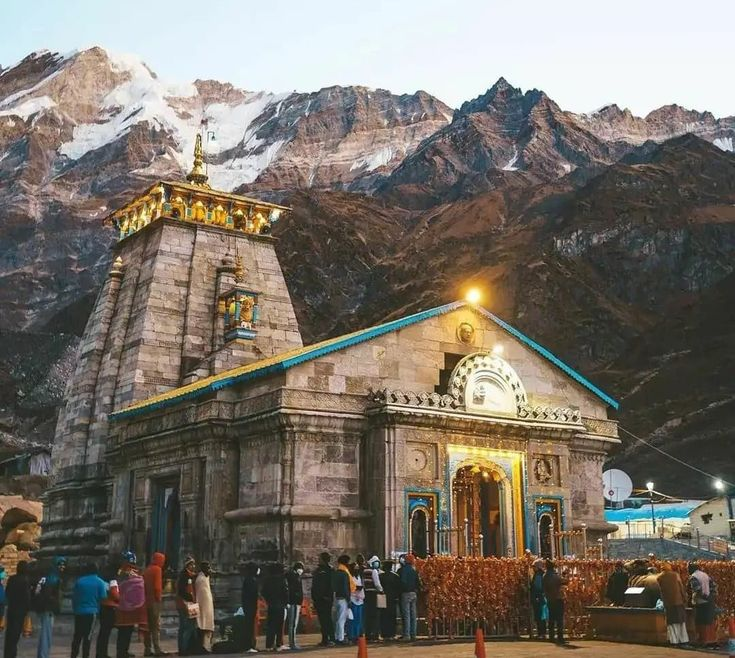
Situated in the Garhwal Himalayas near the Mandakini River, Kedarnath is one of the twelve Jyotirlingas of Lord Shiva and among India’s most revered pilgrimage sites.
4. Gangotri Temple (Uttarkashi)
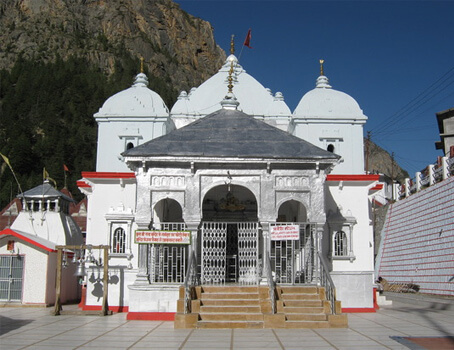
Located in the Uttarkashi district, Gangotri is dedicated to Goddess Ganga and marks the sacred origin of the River Ganga.
5. Yamunotri Temple (Uttarkashi)
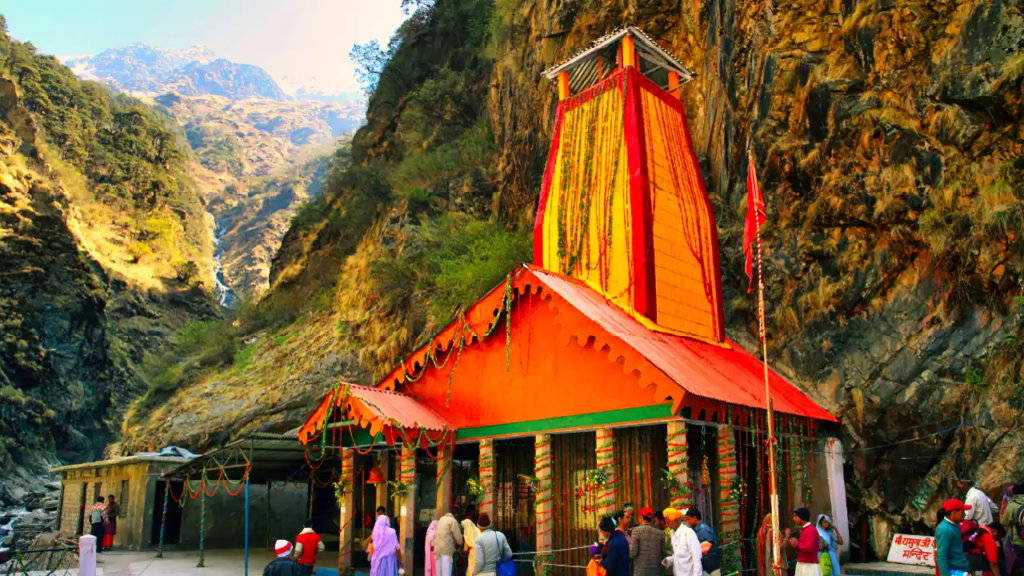
Nestled in the western Garhwal Himalayas, Yamunotri is dedicated to Goddess Yamuna and is regarded as the source of the Yamuna River.
6. Panch Kedar (Rudraprayag and Chamoli)
The sacred Shiva circuit comprises Kedarnath (Rudraprayag), Tungnath (Rudraprayag), Rudranath (Chamoli), Madhyamaheshwar (Rudraprayag) and Kalpeshwar (Chamoli), each associated with a different form of Lord Shiva.
7. Panch Badri (Chamoli)
This Vishnu pilgrimage circuit includes Badrinath, Yogdhyan Badri (Pandukeshwar), Bhavishya Badri (Subhain), Vridha Badri (Animath) and Adi Badri (Karnaprayag region), all located in Chamoli district.
8. Haridwar and Rishikesh (Haridwar and Dehradun)
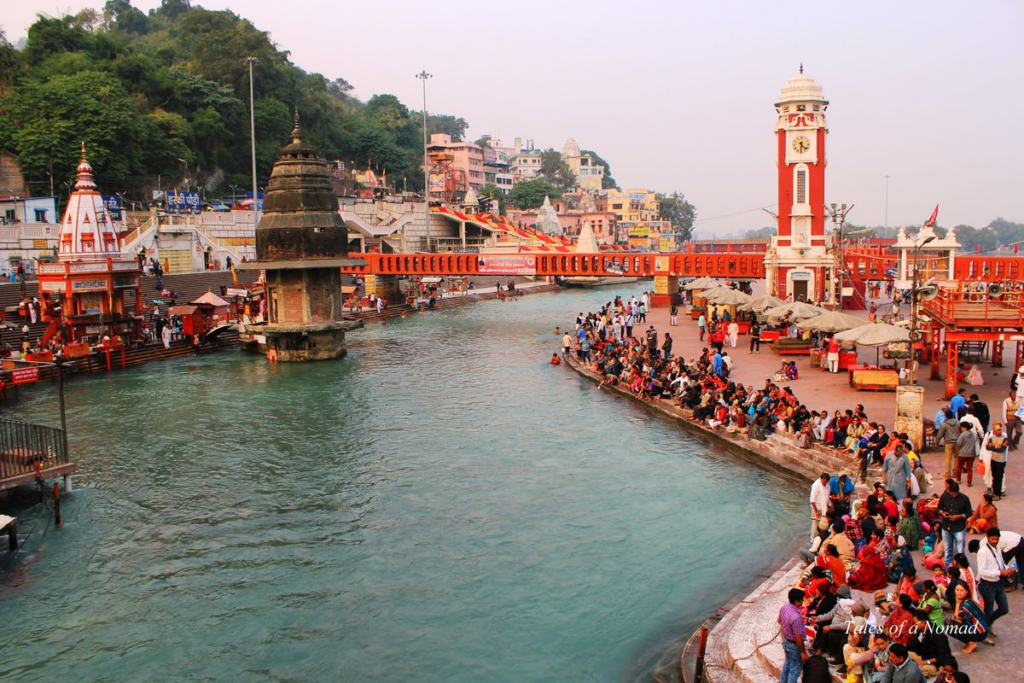
Haridwar, located on the banks of the Ganga, is famous for the evening Ganga Aarti at Har Ki Pauri, while Rishikesh in Dehradun district is known worldwide as the Yoga Capital of the World, with its ashrams, meditation centres and spiritual retreats.
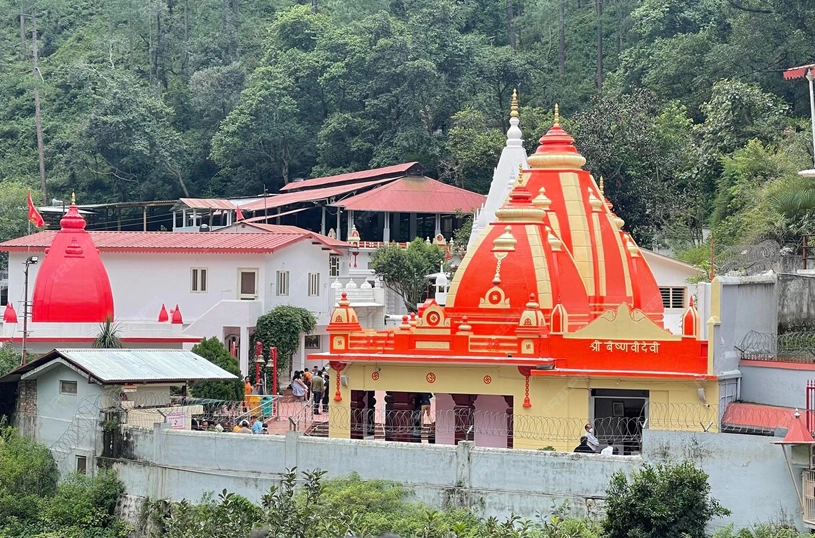
9. Jageshwar Dham (Almora) and Kainchi Dham (Nainital)
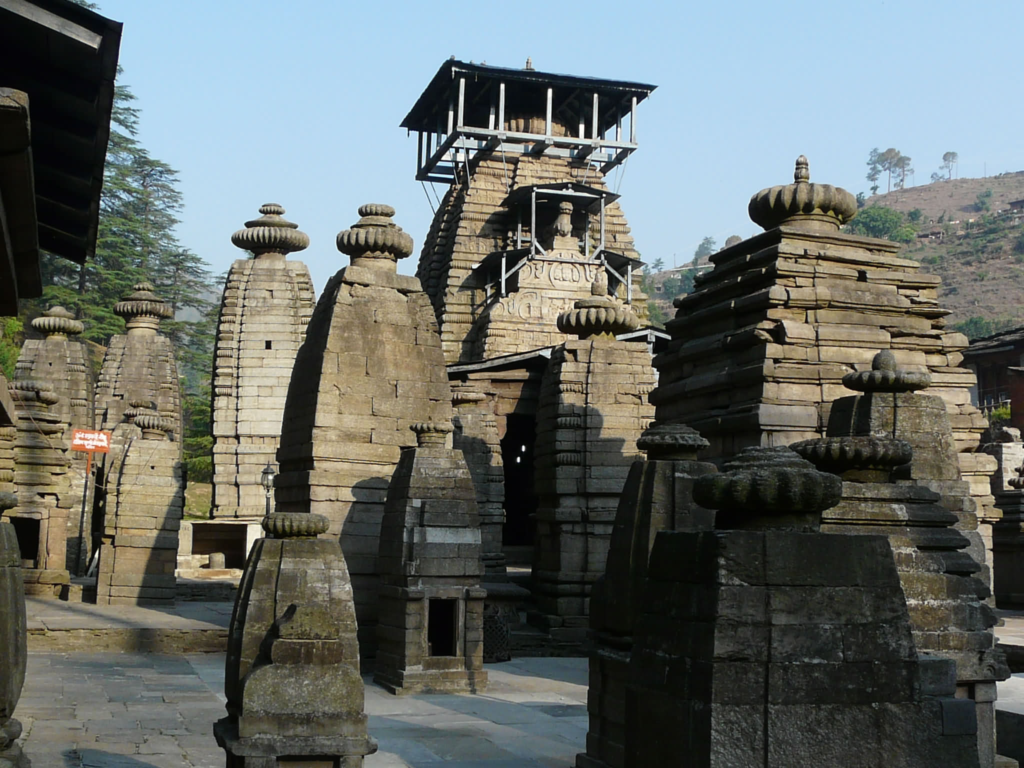
Jageshwar Dham is a group of over 120 ancient stone temples dedicated to Lord Shiva, while Kainchi Dham near Nainital is the famous ashram of Neem Karoli Baba, attracting devotees from around the world.
10. Hemkund Sahib (Chamoli)
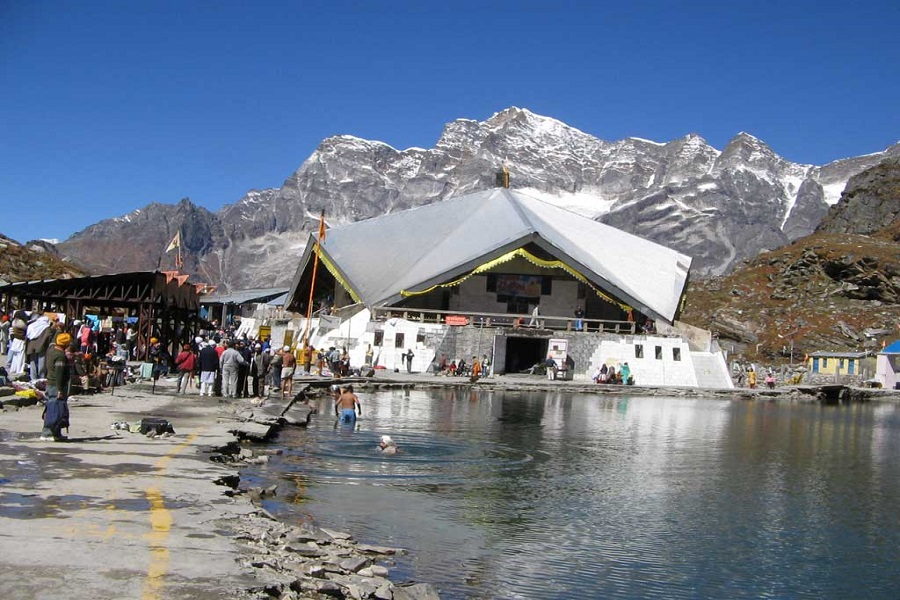
Situated at an altitude of over 4,300 metres in Chamoli district, Hemkund Sahib is the world’s highest Gurudwara and one of the most sacred Sikh pilgrimage destinations, surrounded by snow-clad Himalayan peaks.
Many sites across Himachal Pradesh and Uttarakhand are linked to stories from the Ramayana, Mahabharata and the Puranas. Several temples are believed to have been established by the Pandavas, while many locations are associated with Lord Shiva, Goddess Shakti, Lord Parshuram and Rishi Markandeya.
Legends surrounding the stairway to heaven, the mountain carrying Sanjeevani Booti by Lord Hanuman, numerous Shakti Peeths and Jyotirlingas are spread across both states. Historically, much of this region was simply regarded as the sacred Himalayas rather than separate political entities.
Beyond Faith, who came first
Himachal Pradesh became a full-fledged state in 1971, decades before Uttarakhand and developed into a major tourism and horticulture hub, known for apples, cherries, dry fruits and mountain agriculture. It has consistently recorded high literacy and human development indicators since then.
Uttarakhand, created in 2000 after its separation from Uttar Pradesh, quickly developed into a centre for pilgrimage, adventure tourism, education and manufacturing. Furthermore, destinations such as Mussoorie, Nainital, Auli and the Valley of Flowers, along with premier institutions like IIT Roorkee, AIIMS Rishikesh, IIM Kashipur, the Indian Military Academy and LBSNAA, have strengthened its national importance.
So, which state is the true Devbhoomi?
The answer depends on how you interpret the title. Uttarakhand is more formally and commonly recognised as “Devbhoomi” and the term is widely used by its government and tourism authorities. Himachal Pradesh, however, is also popularly referred to as “Devbhoomi” because of its thousands of temples, local deity traditions and centuries-old religious heritage.
One state is identified with the Char Dham, sacred rivers and Himalayan pilgrimage routes, while the other is known for its living deity culture, Shakti Peeths, monasteries and temple-rich valleys.
Perhaps that is why the debate has never really ended. Rather than competing for the title, Himachal Pradesh and Uttarakhand together preserve some of India’s oldest spiritual traditions, making both worthy of being called the Land of the Gods.
FAQ: Himachal Pradesh vs Uttarakhand – Which is the real Devbhoomi?
Both Himachal Pradesh and Uttarakhand are popularly known as Devbhoomi (Land of the Gods) because of their ancient temples, pilgrimage sites, and deep spiritual heritage.
Uttarakhand earns the title because it is home to the Char Dham Yatra—Badrinath, Kedarnath, Gangotri, and Yamunotri—as well as sacred rivers like the Ganga and Yamuna.
Himachal Pradesh is known for its thousands of temples, local deity traditions, Shakti Peeths, Buddhist monasteries, and Sikh pilgrimage sites, making it one of India’s most spiritually diverse states.
Himachal Pradesh is believed to have thousands of temples and village deities, while Uttarakhand is famous for some of Hinduism’s holiest pilgrimage circuits. Both have immense religious significance.
Some of the most visited temples include:
Jwalamukhi Temple
Maa Brajeshwari Temple
Chintpurni Temple
Naina Devi Temple
Chamunda Devi Temple
Baijnath Temple
Bijli Mahadev Temple
Top spiritual destinations include:
Kedarnath Temple
Badrinath Temple
Gangotri Temple
Yamunotri Temple
Haridwar
Rishikesh
Hemkund Sahib
Kainchi Dham
Jageshwar Dham