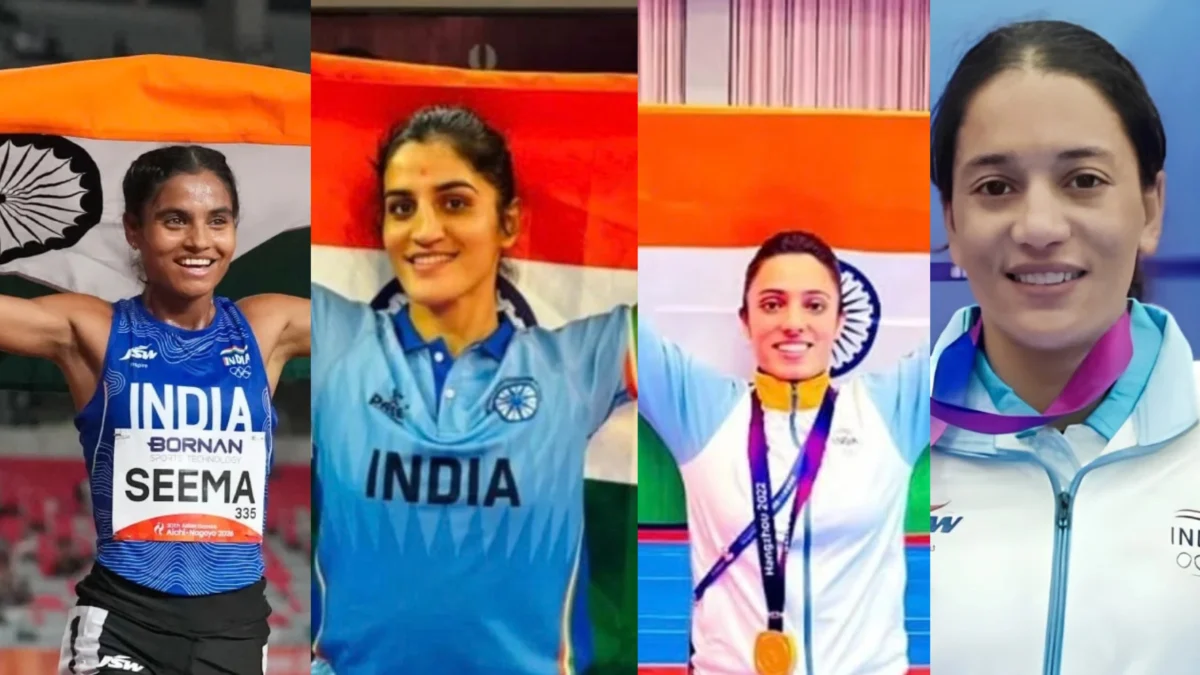
Shimla: Himachal Pradesh’s sporting talent has once again put the hill state in the national spotlight, with Pushpa Rana, Ritu Negi, Jyoti Thakur and Bhawna Thakur playing a key role in India’s goldmedal-winning women’s kabaddi team at the Asian Games.
Led by Himachal’s Pushpa Rana, India defeated Iran 37-34 in the final to retain the gold medal. Rana credited the victory to the team’s hard work, teamwork and the guidance of their coaches.
Their achievement was joined by two more medals from the state. Mandi’s Sawan Barwal won silver in the men’s marathon, while Chamba’s Seema Kumari secured bronze in the women’s 10,000-metre race.
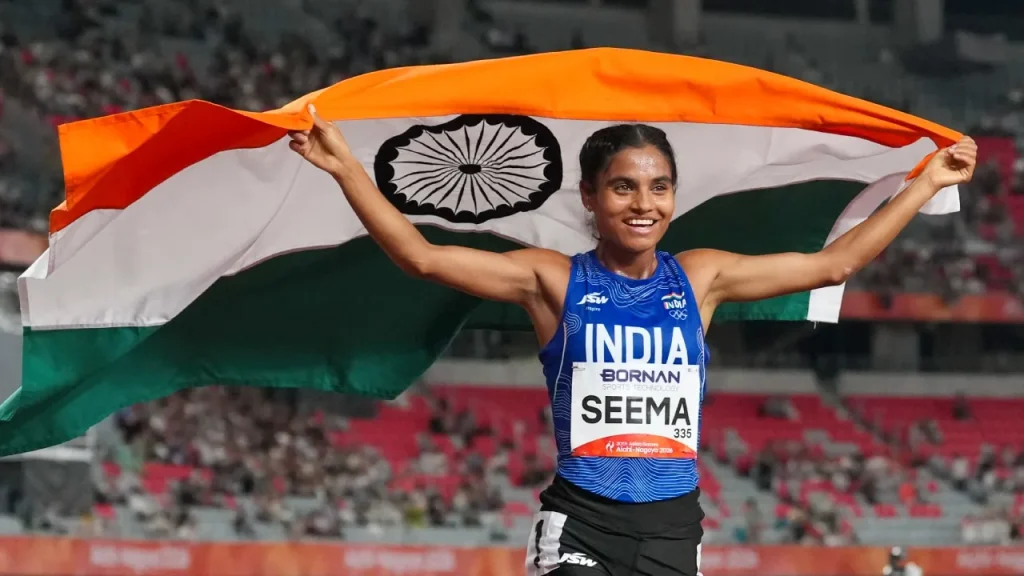
For a state where many athletes begin their journeys in small villages and remote hill districts, the performances represent more than medals. They reflect years of training, family support, coaching and determination despite the challenges of distance, limited facilities and the high cost of competitive sport.
The four kabaddi players received a warm welcome at the Sports Authority of India (SAI) centre in Dharamshala after returning from Japan.
Himachal rewards its Asian Games medal winners
The state has announced cash rewards of around ₹5.33 crore for Himachal’s Asian Games medal winners. Under the announced rewards, Pushpa Rana, Ritu Negi, Jyoti Thakur and Bhawna Thakur will receive ₹33.33 lakh each. Sawan Barwal has been awarded ₹2.50 crore, while Seema Kumari will receive ₹1.50 crore.
Himachal has also provided government jobs to 99 athletes under the 3 per cent sports quota, according to available information. The state has increased diet allowances for athletes and revised travel provisions for players competing outside Himachal Pradesh.
Himachal’s winter sporting talent is also rising
The state’s sporting achievements extend beyond the Asian Games. Earlier this year at the Khelo India Winter Games 2026, Himachal’s Preeti Thakur won two gold medals. CRPF’s Kajal Kumari Rai and Army’s Mayank Panwar also won two gold medals each.
The event brought together around 900 athletes across six winter sports, with its first phase held in Leh from January 20 to 26 and the second in Gulmarg from February 23 to 26.
Himachal’s mountains and snow-covered terrain provide a natural setting for winter sports, but athletes still face practical challenges, including expensive equipment, limited specialised training and the need to travel long distances for high-level coaching and competitions.
A medal is the final chapter of a much longer journey
Behind every medal is a network of people who rarely appear on the podium — parents who finance training and travel, coaches who work with athletes for years, institutions that provide facilities and communities that encourage young players to continue.
For Himachal, the achievements of its athletes are therefore also stories of those journeys.